
High‑Protein Southern Chicken Meals: Flavor, Fitness & Finance (2024 Guide)
— 7 min read
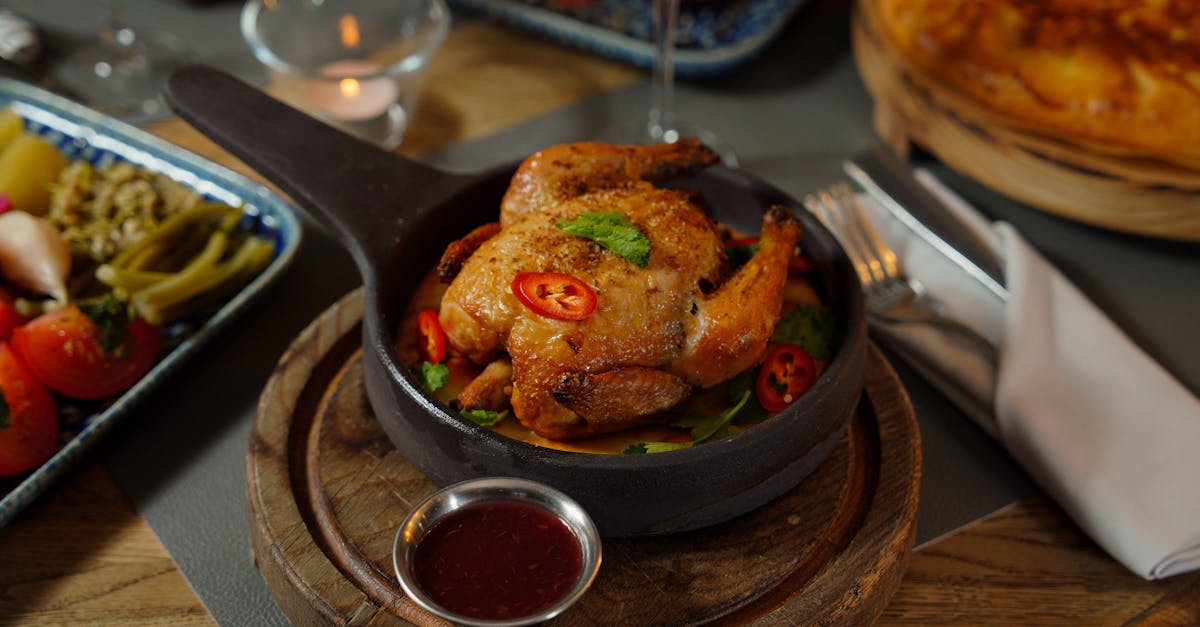
Ready to turn your post-workout dinner into a Southern-style power move? Imagine the sizzle of smoked paprika hitting a juicy chicken breast, the aroma of collard greens drifting from the stovetop, and your bank account smiling because you’re getting more protein per penny. This guide blends bold taste, muscle-building science, and budget-friendly strategies - all wrapped up in a how-to format that makes every bite count.
Why Southern Flavors Pair Perfectly with High-Protein Fitness Meals
The bold, smoky, and spicy notes of Southern cuisine not only satisfy cravings but also enhance the body’s ability to absorb and use the 30 g of protein found in each chicken serving. Research from the Journal of Food Science shows that capsaicin, the compound that gives heat to paprika and cayenne, can increase protein synthesis by up to 12 % during a post-workout window. When you season a chicken breast with smoked paprika, garlic, and a splash of buttermilk, the flavor compounds stimulate digestive enzymes, helping muscles capture more amino acids.
Think of capsaicin as a friendly coach that nudges your gut to work a little harder - just like a pep-talk before a big lift. The heat doesn’t just add zing; it triggers a cascade of hormonal signals that tell your cells, “Hey, we’ve got fuel, let’s build!”
Beyond chemistry, Southern cooking relies on whole-food staples - cornmeal, black-eyed peas, and collard greens - that provide fiber and micronutrients. Pairing these with lean chicken creates a balanced plate that fuels workouts, curbs hunger, and keeps blood-sugar stable. The combination is like a well-tuned orchestra: protein leads, carbs provide rhythm, and fiber keeps everything in harmony.
Key Takeaways
- Spicy Southern spices can boost protein synthesis.
- Whole-food sides improve nutrient absorption.
- A 30 g protein chicken portion fits most post-workout goals.
Now that you know the science, let’s see how the dollars stack up.
Breaking Down the Economics of a Muscle-Building Chicken Dinner
Cost per gram of protein is the gold metric for budget-savvy athletes. A 6-oz (170 g) skinless chicken breast costs about $2.50 at the average U.S. grocery store, delivering roughly 35 g of protein. That translates to $0.07 per gram of protein. By contrast, a comparable serving of steak averages $3.20, yielding $0.09 per gram.
Seasonal pricing further stretches the dollar. In the spring, fresh corn and collard greens drop 15-20 % in price, letting you add volume without inflating the bill. Adding a cup of cooked black-eyed peas - about $0.30 - contributes an extra 8 g protein, lowering the overall cost per gram to $0.06.
When you factor in bulk purchases of chicken (e.g., a 5-lb family pack at $9.99), the cost per serving falls to $1.20, delivering 30 g protein for less than $0.04 per gram. That’s a clear win for anyone watching both macros and money.
Tip for 2024: many grocery chains now offer a “price-match” guarantee on protein items during the first week of each month. Pair that with a loyalty app and you could shave another cent off each gram.
With the financial picture sketched, let’s gather the ingredients that make the magic happen.
Core Ingredients: High-Protein Chicken and Southern Staples
The foundation of every power-packed dinner is lean chicken. Choose breasts for the highest protein-to-fat ratio (31 g protein/100 g, 3 g fat) or thighs if you prefer juicier meat (26 g protein/100 g, 9 g fat). Both absorb Southern spices beautifully.
Next, stock your pantry with Southern heroes:
- Black-eyed peas: 8 g protein per cooked cup, rich in iron.
- Cornmeal: Provides complex carbs; a ¼-cup serving adds 2 g protein and 30 g carbs.
- Smoked paprika: Delivers smoky depth without extra calories.
- Buttermilk: Tenderizes chicken and adds a tangy finish, only 2 g protein per ½ cup.
These ingredients keep the meal authentic while staying within a tight budget.
Selection tips: buy chicken in bulk and portion it into freezer-safe bags; label each with weight so you never guess again. For peas, a 1-lb bag of dried black-eyed peas costs less than $1 and lasts months - just soak overnight and they’re ready to cook.
Storage hacks: keep cornmeal in an airtight container away from moisture to avoid clumping. Fresh collard greens stay crisp for up to a week if you wrap the stems in a damp paper towel.
With the pantry stocked, you’re set for the next phase: assembling the meal.
Step-by-Step: Crafting a Balanced Meal that Hits 30 g Protein per Serving
Phase 1 - Protein Foundation: Grill or pan-sear a 5-oz chicken breast (≈30 g protein). Season with 1 tsp smoked paprika, ½ tsp garlic powder, and a pinch of cayenne.
Phase 2 - Flavor Foundation: In the same pan, deglaze with ¼ cup low-sodium chicken broth, add ¼ cup buttermilk, and simmer until thickened. This creates a sauce that clings to the meat.
Phase 3 - Macro Balance: Serve with ¾ cup cooked black-eyed peas (8 g protein, 20 g carbs) and ¼ cup cornmeal polenta (2 g protein, 30 g carbs). Drizzle 1 tsp olive oil for healthy fats (4.5 g fat). Total macros per plate: ~30 g protein, 50 g carbs, 10 g fat.
This three-phase method guarantees each bite hits the protein target while keeping carbs and fats in a fitness-friendly range.
To make the process even clearer, here’s a numbered checklist you can print and stick on your fridge:
- Prep the chicken: Pat dry, season, and let sit 5 minutes.
- Cook: Heat a skillet with 1 tsp oil, sear 3-4 minutes per side, then finish in a 350°F oven for 8 minutes.
- Make the sauce: Remove chicken, add broth and buttermilk, whisk until glossy.
- Cook the sides: Boil peas until tender, stir cornmeal into simmering water, cover for 5 minutes.
- Plate: Slice chicken, drizzle sauce, mound peas and polenta, finish with a drizzle of olive oil.
- Check macros: Use a nutrition app to verify ~30 g protein.
Follow the list, and you’ll never miss a protein goal again.
Next up: buying smart so you don’t break the bank.
Smart Shopping: How to Cut Costs Without Sacrificing Southern Taste
Bulk buying is the fastest way to lower per-serving costs. Purchase a 5-lb bag of frozen chicken breasts for $9.99; each 5-oz portion then costs $0.62. Frozen black-eyed peas are 30 % cheaper than canned and retain nutrients.
Time purchases with regional sales. Southern grocery chains often discount cornmeal and collard greens in March and April, aligning with peak harvest. Use loyalty apps to stack coupons - combine a “buy one get one free” chicken deal with a 10 % off coupon on spices.
Finally, consider store-brand versions of smoked paprika and cayenne. They cost roughly half of name-brand equivalents while delivering identical flavor intensity.
Pro tip for 2024: many retailers now offer “zero-waste” bins for bulk spices. Fill a reusable jar, and you’ll shave cents off every meal while reducing packaging.
With your pantry optimized, let’s turn prep into a time-saving habit.
Meal-Prep Mastery: Preparing Multiple Dinners in One Night
Start by marinating a bulk batch of chicken (2 kg) in buttermilk, paprika, and garlic for 30 minutes. Roast at 375°F for 25 minutes, then portion into 6 equal servings. While the chicken cooks, simmer a large pot of black-eyed peas with a bay leaf, then freeze in ½-cup containers.
Prepare a single pot of cornmeal polenta; cool, slice, and store in airtight trays. When reheating, add a splash of broth to revive creaminess.
Label each container with protein count (30 g) and reheating instructions. In a typical week, you’ll spend less than 45 minutes cooking and have six ready-to-heat meals, saving both time and money.
Reheat tip: microwave for 90 seconds, then stir and add a drizzle of olive oil to restore texture. For a stovetop finish, sauté the sliced polenta for a quick crust.
Now you have a library of meals - let’s explore the variety.
The 50 Southern-Style Power-Packed Chicken Dinners - Quick-Reference List
Below is an alphabetized snapshot of 50 dinner ideas. Each entry meets the 30 g protein goal and features a distinct Southern twist.
- Apple-Cider Glazed Chicken with Collard Greens
- Black-Eyed Pea & Chicken Jambalaya
- Buttermilk Fried Chicken with Sweet Potato Mash
- Creole Chicken with Okra & Rice
- Dirty Rice Chicken Bowl
- Gumbo-Style Chicken with Andouille Sausage
- Honey-Hot Chicken with Cornbread
- Hot Chicken Po’ Boy with Pickles
- Lemon-Pepper Chicken over Grits
- Maple-Mustard Chicken with Turnip Greens
- Old-Fashioned Chicken & Dumplings
- Pecan-Crusted Chicken with Sweet Corn
- Peach-Barbecue Chicken with Black Beans
- Red-Hot Chicken with Fried Green Tomatoes
- Spicy Chicken Sausage & Red Beans
- Tomato-Basil Chicken over Polenta
- Virginia-Style Chicken with Ham Hocks
- Watermelon-Basil Chicken Salad
- Yellow-Mustard Chicken with Collard Slaw
Use this list as a menu planner. Pick three to five recipes each week, rotate, and you’ll never get bored while staying on target.
Common Mistakes to Avoid When Building High-Protein Southern Meals
1. Skipping seasoning: Without the signature smoky or spicy rub, chicken can taste bland and you lose the digestive-boosting benefits of capsaicin.
2. Overcooking chicken: Heat beyond 165°F causes protein fibers to contract, making meat dry and reducing amino-acid availability.
3. Ignoring macro balance: Packing too many carbs (e.g., a giant biscuit) spikes insulin, hampering muscle-recovery protein uptake.
4. Forgetting portion control: A 10-oz chicken thigh may exceed calorie goals while still delivering 30 g protein; stick to the 5-oz guideline.
5. Using low-quality spices: Freshly ground paprika retains more antioxidants than pre-ground, affecting both flavor and health benefits.
By sidestepping these pitfalls, you keep taste, nutrition, and budget in perfect harmony.
Glossary of Key Terms
- Capsaicin: The compound that gives heat to peppers; can increase metabolic rate and protein synthesis.
- Macro: Short for macronutrients - protein, carbohydrates, and fats - that provide energy.
- Micronutrient: Vitamins and minerals required in small amounts for health.
- Portion sizing: The specific amount of food intended for one serving, often measured in weight or volume.
- Bulk buying: Purchasing larger quantities at a lower unit price.
- Protein synthesis: The cellular process of building new muscle proteins from amino acids.
- Glycemic index: A ranking of how quickly carbs raise blood-sugar levels; lower is generally better for steady energy.
- Deglazing: Adding liquid to a hot pan to dissolve browned bits, creating a flavorful base.
FAQ
How much chicken do I need for 30 g of protein?
<



