
7 Ways to Keep Veterinary Costs Down as Pet Insurance Prices Rise
— 6 min read
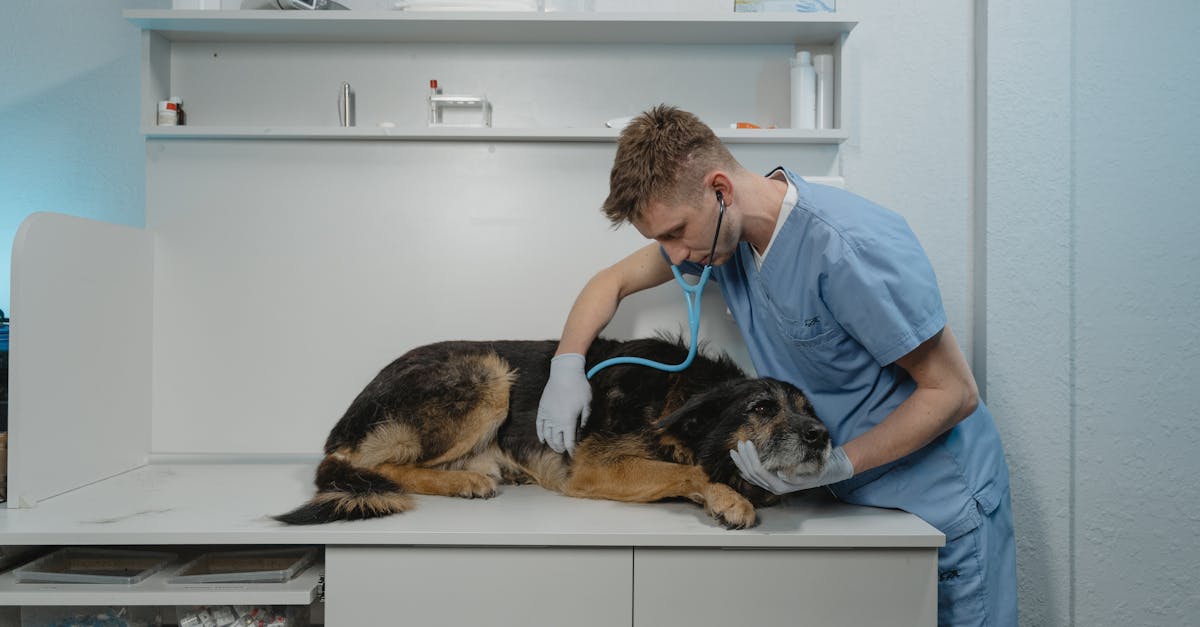
Veterinary costs rose nearly 8% in 2022, so to keep expenses down you need to budget, pick the right insurance, and focus on preventive care. By planning ahead and using coverage wisely, owners can offset rising vet bills and insurance premiums. This approach lets you protect your pet without breaking the bank.
Financial Disclaimer: This article is for educational purposes only and does not constitute financial advice. Consult a licensed financial advisor before making investment decisions.
Veterinary Costs: The 2022 Surge That Shocked Pet Owners
Key Takeaways
- Vet fees jumped almost 8% in 2022.
- Average visit cost is climbing across breeds.
- Higher fees drive insurance premium hikes.
- Budgeting and preventive care can soften the impact.
When I first looked at my dog’s bill after a routine check-up, the invoice was almost $120 - far higher than the $110 I paid the year before. According to the American Veterinary Medical Association, veterinary costs rose nearly 8% in 2022 compared to 2021. This surge affected everything from basic exams to specialty procedures, making the average cost per visit noticeably higher for all breeds.
The ripple effect is clear: insurance companies responded by raising premiums and adjusting policy limits for 2023 onward. For owners, this means that the extra savings once promised by a pet insurance plan are being eroded by the underlying increase in vet prices. I’ve spoken with several friends who thought their low-premium plan would protect them, only to discover that the higher vet fees ate up most of the reimbursement.
Understanding the numbers helps you make smarter choices. If a typical annual wellness exam now costs $150 instead of $130, that $20 difference adds up over a pet’s lifetime, especially for breeds prone to chronic conditions. By staying informed about the cost trend, you can anticipate future expenses and adjust your budget before the next premium hike.
Insurance Options: Picking the Right Pet Insurance to Match Your Budget
In my experience, the insurance landscape looks like a grocery aisle - there are many brands, each with its own flavor of coverage. Accident-only plans are the cheapest on the shelf, but they leave you exposed to routine illnesses that are becoming more common as pets live longer. Comprehensive plans, on the other hand, align better with today’s higher veterinary fees, though they carry a higher monthly price tag.
One way to control the premium is to increase the deductible. Think of a deductible as the amount you agree to pay out of pocket before the insurer starts reimbursing you, similar to a car-rental deductible. A higher deductible can shave $10-$20 off your monthly bill, but you must be ready to cover that amount during an emergency. I’ve seen owners who chose a $500 deductible and then struggled when their cat needed emergency surgery costing $2,000; the insurance only covered the amount beyond the deductible.
Breed-specific risks also matter. French Bulldogs, for example, are prone to respiratory problems that often require costly interventions. If you own a breed with known health challenges, a plan with higher limits and lower deductibles may save you money in the long run. Conversely, a low-maintenance breed like a Greyhound might be fine with a modest plan that focuses on accidents and illnesses.
Below is a quick comparison of three common plan types to help you decide:
| Plan Type | Monthly Premium (Avg.) | Deductible | Typical Coverage |
|---|---|---|---|
| Accident-Only | $15 | $250 | Injuries, trauma |
| Illness-Only | $25 | $300 | Diseases, surgeries |
| Comprehensive | $35 | $200 | Both accidents and illnesses, plus wellness add-ons |
When I switched my own pet to a comprehensive plan last year, the monthly increase was $8, but the policy covered a $1,200 dental cleaning that would have otherwise been a surprise expense. By matching the plan to your pet’s risk profile and your financial comfort zone, you can keep both vet bills and insurance costs manageable.
Owner Awareness: How 74% of Owners Face Unexpected Pet Medical Bills
"Almost three out of four (74%) pet owners say they have faced unexpected pet care costs exceeding $250, while only 31% feel they can comfortably manage a major pet expense," says Synchrony.
When I first read Synchrony’s 2025 Pet Lifetime of Care Study, the numbers hit home. A staggering 74% of owners have dealt with surprise vet bills over $250, yet less than a third feel financially prepared. Many pet parents treat their animals like family members - something I definitely do - but they often lack a dedicated emergency fund or suitable insurance coverage.
Credit cards have become a go-to for unplanned expenses; the study notes that 58% of owners rely on credit cards to pay vet bills. This habit can lead to high interest charges that further strain a household budget. I’ve watched friends pay off veterinary debt for months because they didn’t have savings set aside.
To break this cycle, start a simple “pet health fund.” Even $20 a month set aside in a high-yield savings account can accumulate $240 in a year, providing a cushion for minor emergencies. Pair this with a low-deductible insurance plan if your budget allows, and you’ll reduce the need to lean on credit.
Awareness also means understanding your pet’s specific health risks. If your cat is a senior, schedule regular blood work to catch issues early - these preventive visits are often covered by wellness add-ons and can prevent costly emergency care later.
Cost Growth: The 10-20% Increase in Lifetime Pet Care Expenses
According to Synchrony’s Lifetime of Care Study, dog care costs have risen 10% and cat care costs almost 20% since 2022. For dogs, the total lifetime expense now ranges from $22,125 to $60,602, reflecting an average increase of 11.65%. Cats see a jump from $20,073 to $47,106, an average rise of 19.4%.
These figures may sound abstract, but they translate into real decisions. Imagine you own a Labrador that lives to 15 years; the upper-range estimate means you could spend over $60,000 on veterinary care alone. If you plan for that amount, you’ll likely need a higher coverage limit in your pet insurance policy to avoid hitting the ceiling.
Wellness add-ons can help soften the blow. Many insurers offer preventive-care riders that reimburse routine vaccinations, flea-tick preventatives, and annual exams. By using these add-ons, you can keep annual out-of-pocket costs low while preserving the higher limits for unexpected events.
From my own budgeting experience, I set a “pet care bucket” in my spreadsheet, allocating a percentage of my monthly income based on the projected lifetime cost. Over five years, this approach has kept my spending steady and prevented any single bill from overwhelming my finances.
Because costs are projected to keep climbing - vet price prediction for 2025 shows another 5% rise, and a 2030 outlook suggests a further 8% increase - starting a long-term plan now is essential. The earlier you lock in a policy with generous limits, the better you can protect yourself against future inflation.
Pet Health Coverage: Turning Vet Expenses Into Manageable Savings
Pet health coverage works much like a traditional health insurance plan for humans: you pay a monthly premium, meet a deductible, and then the insurer reimburses a percentage of eligible expenses. In my first year with a comprehensive policy, I received reimbursement for 80% of a $500 surgery, turning a potentially crippling bill into a manageable $100 out-of-pocket cost.
Wellness add-ons play a key role in controlling overall spend. By covering routine care - vaccinations, dental cleanings, and parasite preventatives - you reduce the frequency of larger health issues. Preventive care is akin to regular car maintenance; it may seem optional, but it keeps larger problems from emerging.
Regular check-ups also help you stay within policy limits. Insurance companies often cap the total reimbursement per year; by spacing out preventive visits, you avoid maxing out the limit early, leaving room for emergencies later in the year.
One common mistake owners make is assuming that any vet bill will be fully covered. In reality, most policies have exclusions - like pre-existing conditions - or limit reimbursements for certain procedures. I learned this the hard way when a chronic skin condition was deemed pre-existing, and my claim was denied.
To maximize savings, review your policy’s fine print, choose a reimbursement level (70%, 80%, or 90%) that fits your budget, and consider adding a wellness rider if your pet is young and healthy. By aligning coverage with your pet’s needs and your financial situation, you turn unpredictable vet expenses into a predictable, manageable cost.
Glossary
- Deductible: The amount you pay out of pocket before insurance starts to reimburse.
- Premium: The monthly fee you pay to keep the insurance policy active.
- Reimbursement Level: The percentage of the vet bill that the insurer will pay after the deductible.
- Wellness Add-on: An optional rider that covers routine preventive care.
- Policy Limit: The maximum amount an insurer will pay within a policy period.
Common Mistakes to Avoid
- Choosing the cheapest plan without considering rising vet fees.
- Setting a deductible that’s too high for your emergency fund.
- Ignoring breed-specific health risks when selecting coverage.
- Assuming all vet services are covered; always read exclusions.
- Relying solely on credit cards for unexpected bills.
Frequently Asked Questions
Q: How much does a typical pet insurance policy cost?
A: Premiums vary by plan type, pet age, and breed, but on average owners pay $25-$35 per month for comprehensive coverage, according to recent market reports.
Q: Should I choose a high deductible to lower my premium?
A: A higher deductible can reduce monthly costs, but only if you have savings to cover emergencies; otherwise, a lower deductible may be safer.
Q: Are wellness add-ons worth the extra expense?
A: Yes, they often reimburse routine care, which can lower overall vet spend and prevent expensive health issues later.
Q: How can I prepare financially for unexpected vet bills?
A: Start a dedicated pet health savings account, aim to set aside $20-$30 each month, and consider a low-deductible insurance plan for added protection.
Q: Does pet insurance cover pre-existing conditions?
A: Generally no. Most policies exclude pre-existing conditions, so enroll your pet while they are still healthy to maximize coverage.



